Wolters Kluwer, 2022–2024, and iRise, 2005–2006
From feature descriptions to business value
At two very different software companies, I found the same thing: smart products described in dense feature lists. The buyer had to work out why any of it mattered. Both times, I rewrote the story around what the buyer stands to gain.
Wolters Kluwer: one rep, every product
Wolters Kluwer sells compliance and lending software to banks. The company had just moved from individual product-based sales to a quarterback model, where each rep sells every product into their accounts. Reps who had known one product now had to explain more than 80.
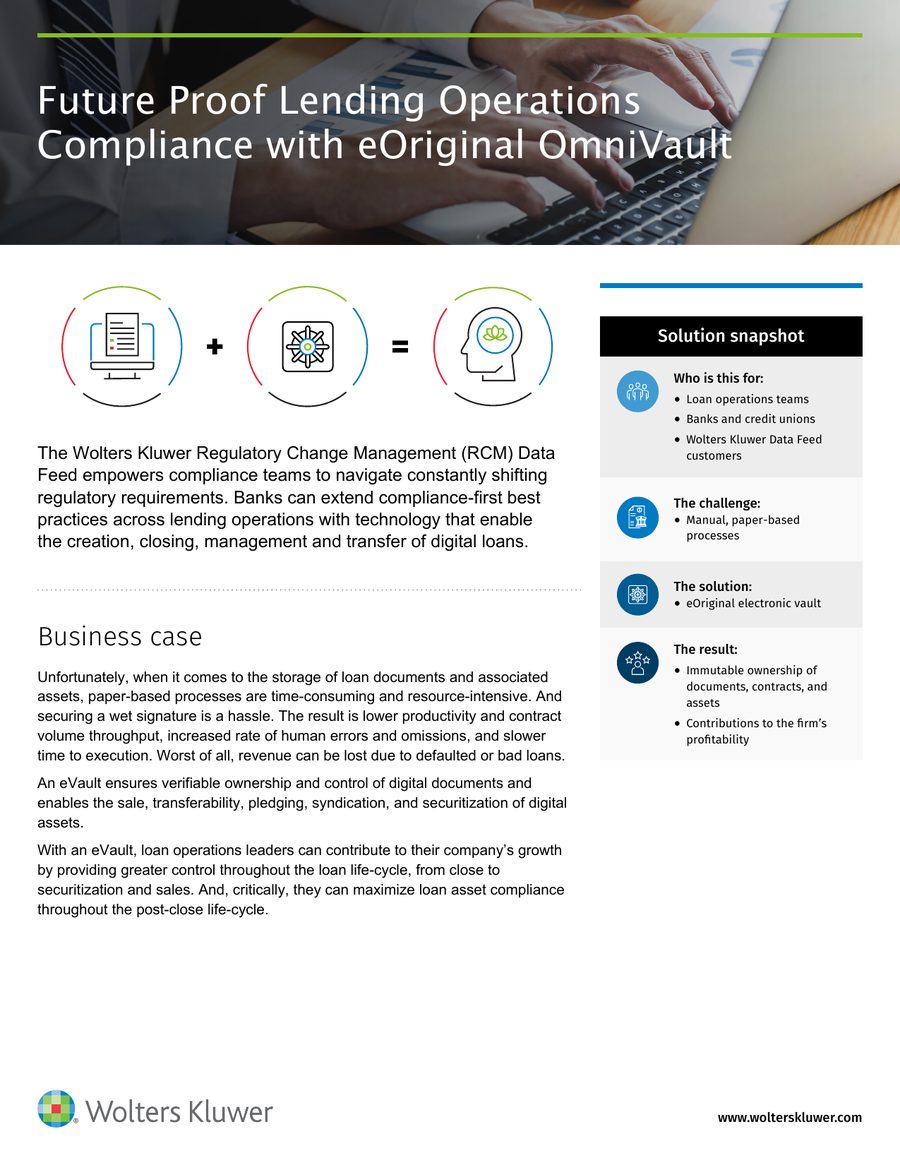
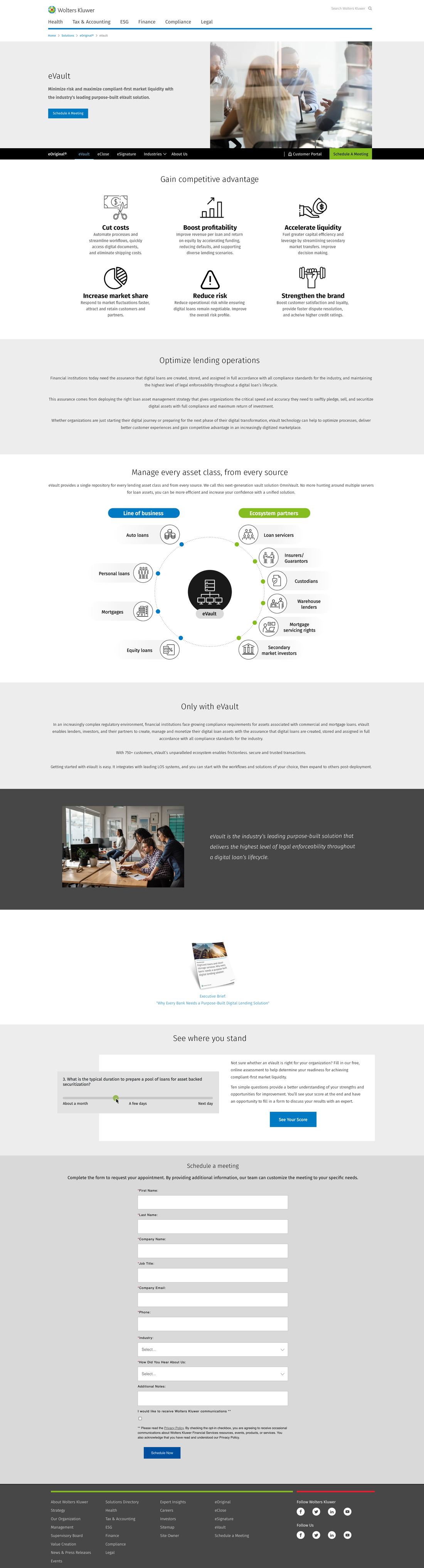
Feature-heavy content didn’t help them. But content that started with the banker’s problem could. So I rewrote solution briefs, white papers, web pages, and webinar content around a buyer-first structure: who it’s for, the business problem, the solution, and the result. Then I held the freelance writers and vendors to the same structure.
Solution briefs and web pages: the outcome comes first


White papers: the banker’s world first, the product second



iRise: the same instinct, twenty years earlier
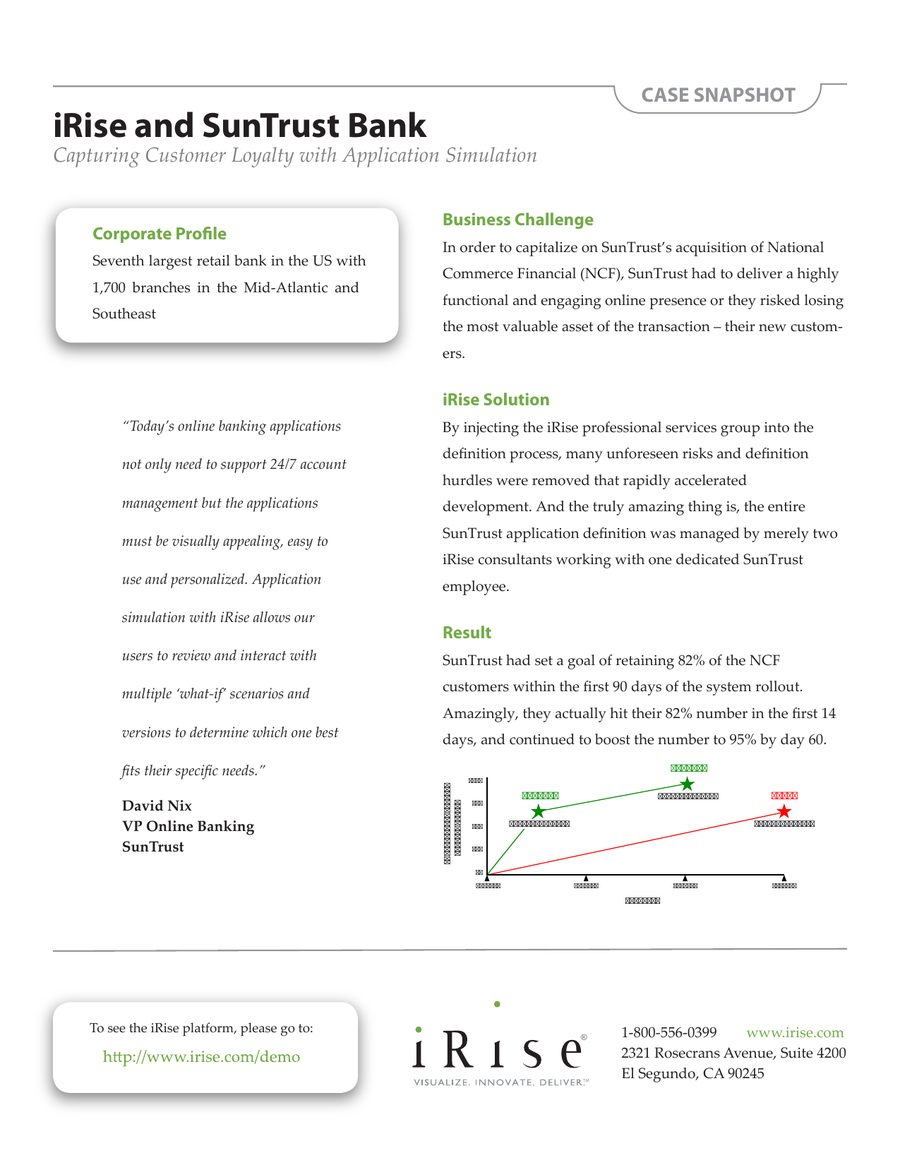
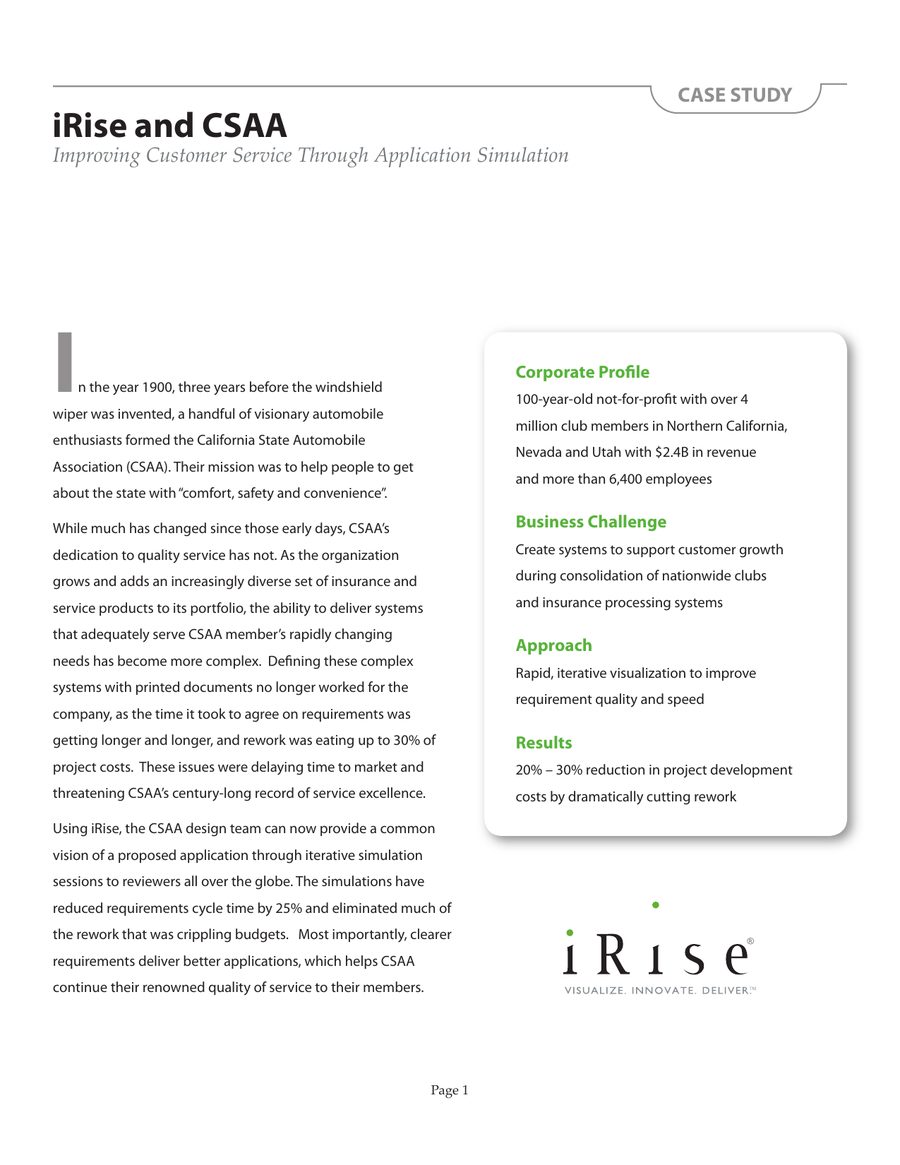
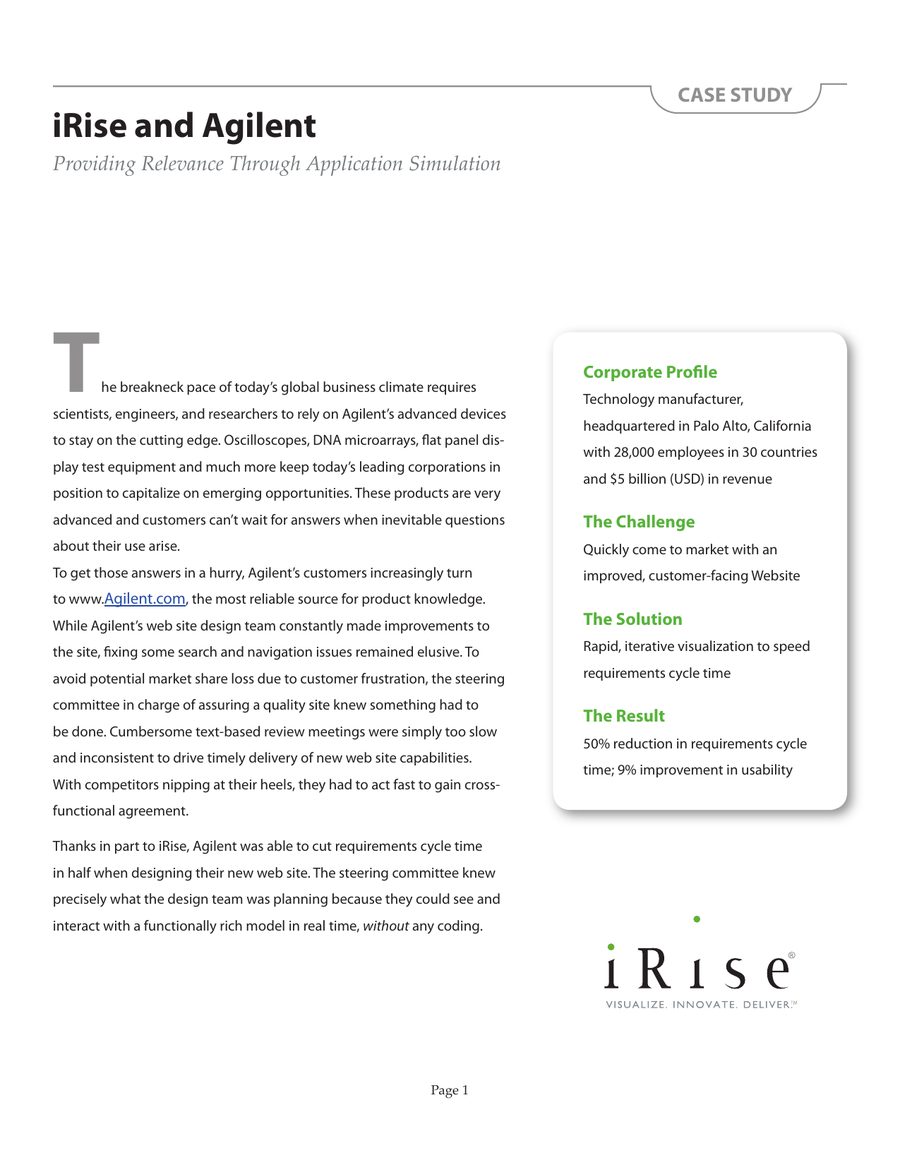
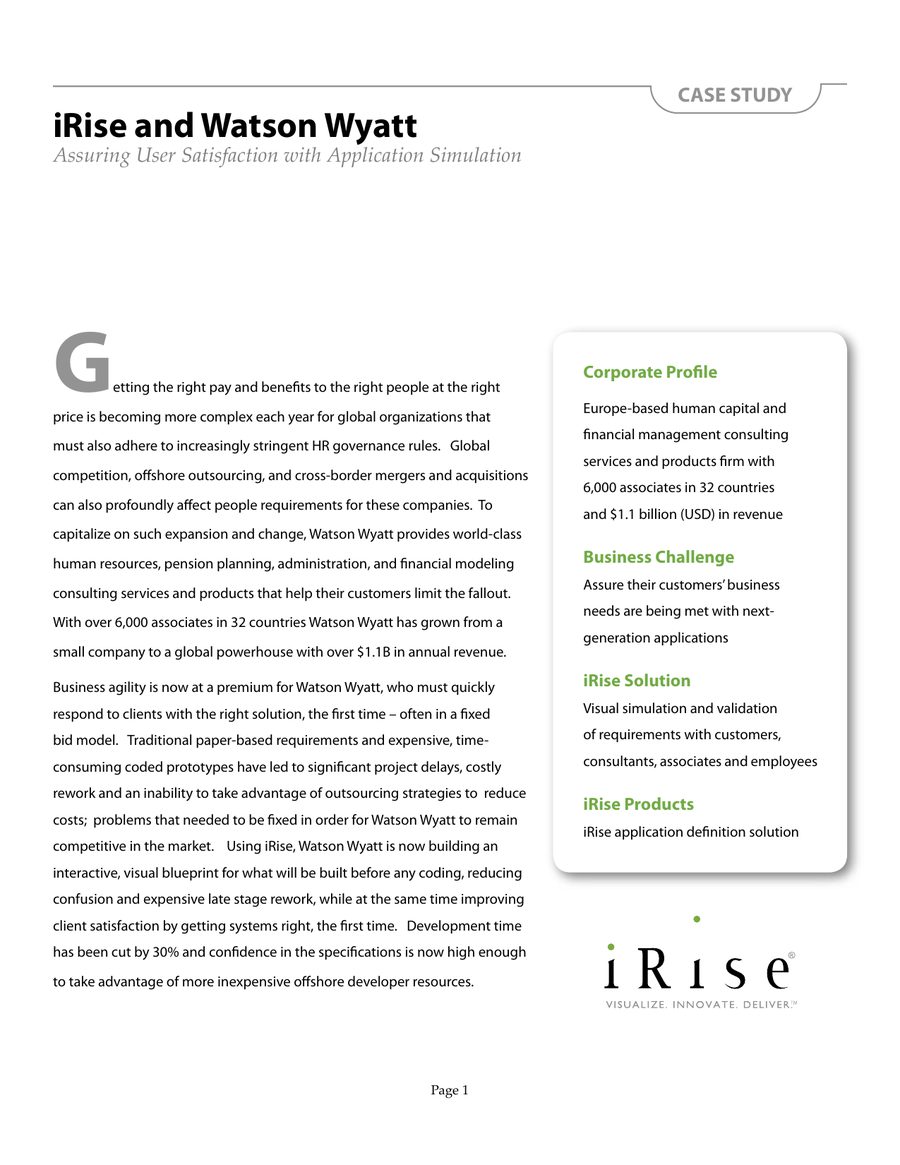
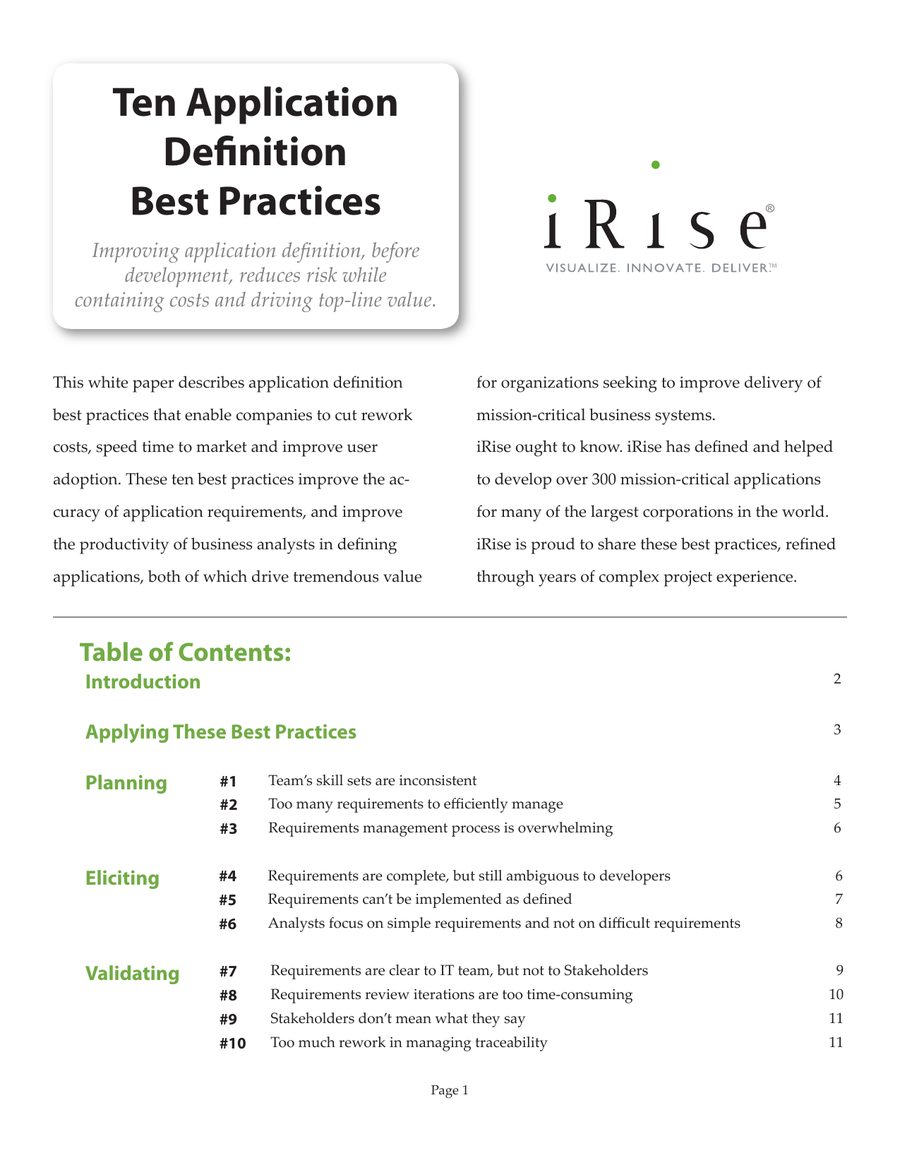
iRise made software that let companies simulate an application before building it. Today that seems obvious, but back then it was a hard sell to the business people paying for it. With a team of three, I packaged and promoted it, led naming and launch for a new product, and published more than 35 case studies and white papers that proved the value.
Every customer story started with the customer’s business problem, not our software. The product came in, naturally, as the way to solve it.
Both times, the products didn’t change. The way we talked about them did.